
Our Approach
A path toward
inner freedom.
The Well is deeply shaped by Anthetic Therapy — a psychodynamic, skills-based approach to healing that helps people move beyond shame, self-criticism, and emotional suffering toward genuine freedom and meaningful connection.

The Story Behind Anthetic Therapy
Thirty years of
clinical discovery.
Anthetic Therapy was developed by Dr. James Elliott (1928–2011) and Dr. Kathryn Elliott through decades of counseling, teaching, writing, and clinical practice. Together, they devoted their lives to helping people move beyond emotional suffering and into greater freedom, connection, and personal growth.
James Elliott is the originator of Anthetic Therapy. Through more than thirty years of work with individuals, couples, and groups, he identified the internal patterns that keep people stuck and developed practical, teachable skills for creating lasting change. Central to his work was the understanding that much human suffering is driven by an internal critical influence that can be recognized, understood, and disarmed.
Kathryn Elliott helped expand and refine the model, bringing particular expertise in emotional intimacy, relationship health, and personal transformation. Together, they taught that healing involves more than symptom relief—it involves learning the skills necessary to experience deeper freedom, stronger relationships, and a fuller expression of who we are meant to become.
The word Anthetic means blossoming — and that is exactly what the approach is designed to cultivate. Not just symptom relief, but genuine growth. Not just coping, but flourishing.
"Our goal is to provide a place that will nourish you so that you may grow and blossom into your fullest potential."
Dr. James Elliott & Dr. Kathryn Elliott
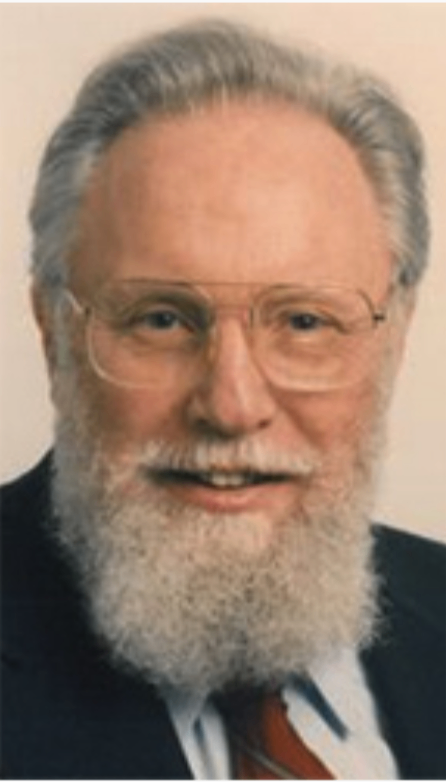
Dr. James Elliott
1928–2011
Originator of Anthetic Therapy
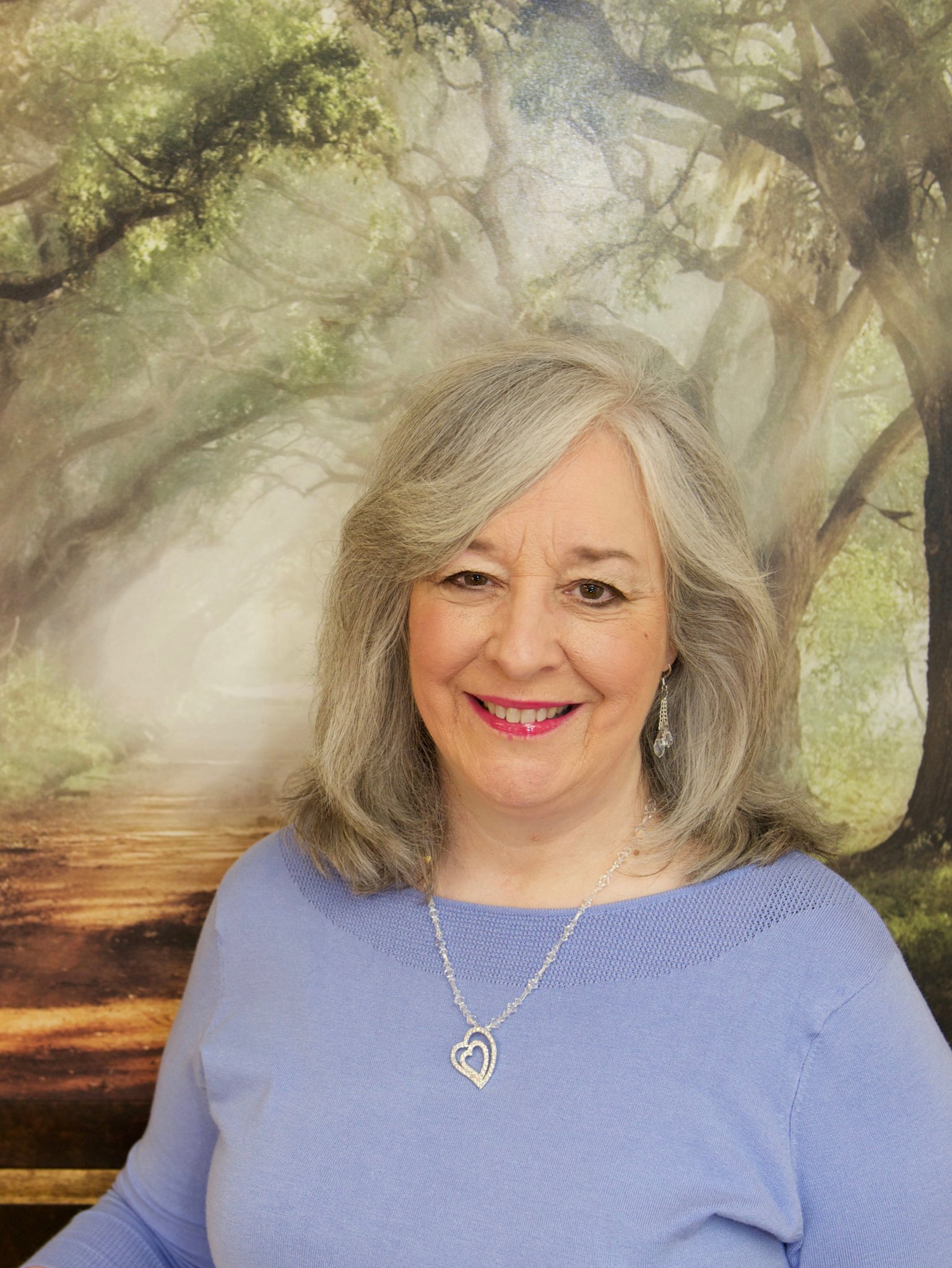
Dr. Kathryn Elliott
Co-Developer of Anthetic Therapy
Understanding the Inner Critic
The voice that keeps
us stuck.
At the heart of Anthetic Therapy is a concept that most people recognize immediately when they hear it: the Inner Critic.
The Inner Critic is the internal voice of shame and self-judgment — the part of us that says we're not enough, that we've failed, that we're unlovable, or that we'll never really change. It's the voice that second-guesses every decision, replays every mistake, and quietly convinces us that we don't deserve good things.
Anthetic Therapy holds that the Inner Critic is not just an annoyance — it is a primary driver of anxiety, depression, relational conflict, and emotional suffering. And it is something that can be identified, understood, and ultimately quieted.
It speaks through emotional punishment.
The Inner Critic is an internal voice that criticizes, condemns, and punishes. It inflicts feelings of defectiveness, shame, inferiority, guilt, and magnified fear. Over time, these messages begin to feel like truth, shaping how we see ourselves, others, and the world around us.
It sabotages relationships.
When we believe we are fundamentally flawed or unworthy, we begin protecting ourselves from rejection. We may withdraw from closeness, push others away, become overly accommodating, or settle for less than we deserve. The Inner Critic is often the hidden source of relational pain.
It drives anxiety and depression.
Anxiety, depression, and emotional distress are often fueled by the Inner Critic's relentless demands, judgments, and warnings. Lasting relief comes not simply from managing symptoms, but from understanding and addressing the deeper wounds and beliefs beneath them.
It can be healed.
The Inner Critic is not defeated through willpower or positive thinking. Healing occurs as individuals experience honesty, acceptance, and corrective emotional connection. Through these experiences, the Inner Critic gradually loses its authority and a more truthful sense of self emerges.
Healing Through Relationship
"Healing doesn't happen in isolation. It happens in the context of a safe, attuned relationship — where we are truly seen, accepted, and met with compassion."
Anthetic Therapy
Corrective Emotional Experience
Many of our deepest wounds were formed in relationship — and they heal in relationship too.
A corrective emotional experience is what happens when we encounter something different from what we've come to expect — when we are met with acceptance instead of judgment, warmth instead of coldness, safety instead of threat. This is one of the most powerful forces for change in therapy and in life.
We were made for
connection.
Anthetic Therapy is built on the conviction that human beings are fundamentally relational. We are shaped by our relationships — and we are healed by them too.
The therapeutic relationship itself is one of the most important instruments of healing. When a person experiences genuine acceptance, attunement, and care from their therapist, something begins to shift — not just intellectually, but emotionally and neurologically. Old patterns of shame and self-protection begin to loosen.
This is what Anthetic Therapy calls a corrective emotional experience — a moment in which the heart learns something new about what is possible in relationship. These moments, repeated over time, are what produce lasting change.
The goal is not simply to feel better in the therapist's office. The goal is to carry that freedom into every relationship — with a partner, a parent, a child, a friend, and ultimately with oneself.
Anthetic Therapy also equips clients with concrete, practical skills they can use outside of sessions — tools for managing the Inner Critic, communicating more effectively, and building the kinds of relationships that nourish rather than deplete.
How We Use This Approach at The Well
Rooted in the work.
Shaped by the heart.
Anthetic Therapy is woven into the DNA of The Well. It shapes how we think about people, how we approach the work of healing, and the kind of environment we work hard to create — one that is warm, safe, and genuinely welcoming.
Tamra Griffin, LPC-S has extensive training in Anthetic Therapy and has been practicing and teaching the model for over ten years. She is a trained Anthetic Therapist and brings the full depth of the approach to her work with individuals and couples.
Diane Dodt, LPC is also extensively trained in Anthetic Therapy and integrates its principles into her work. Her warmth and clinical depth make her a natural fit for this relational, skills-based approach.
Karlyn Eddy, PLPC and Kayla Davis, PLPC also incorporate many of the relational, experiential, and values-based principles that make Anthetic Therapy effective. While each brings her own personality, training, and clinical style, both share The Well's commitment to helping clients move toward greater freedom, healing, and wholeness.
At The Well, we believe good therapy is always tailored to the person. The heart of the Anthetic model — warmth, acceptance, practical skills, and relational healing — continues to influence the culture of care across our practice.
The Culture of The Well
Every therapist at The Well is committed to the same values that Anthetic Therapy embodies: warmth, acceptance, genuine care, and the belief that healing is possible for every person who walks through our door.
Books & Publications
Foundational resources
for the journey.
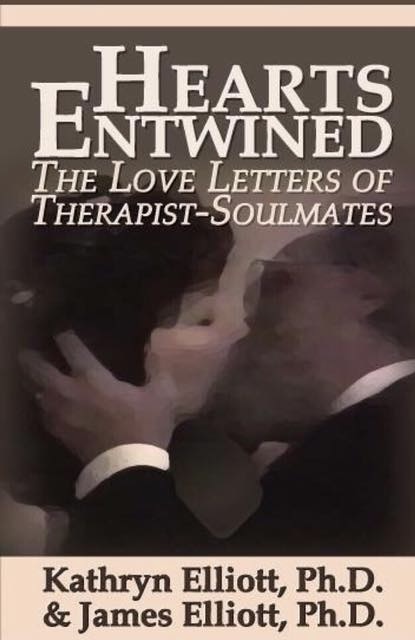
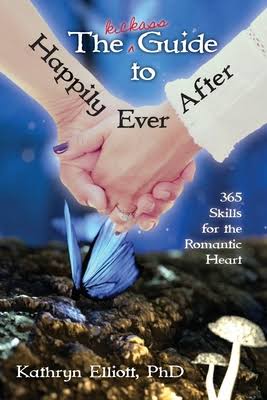
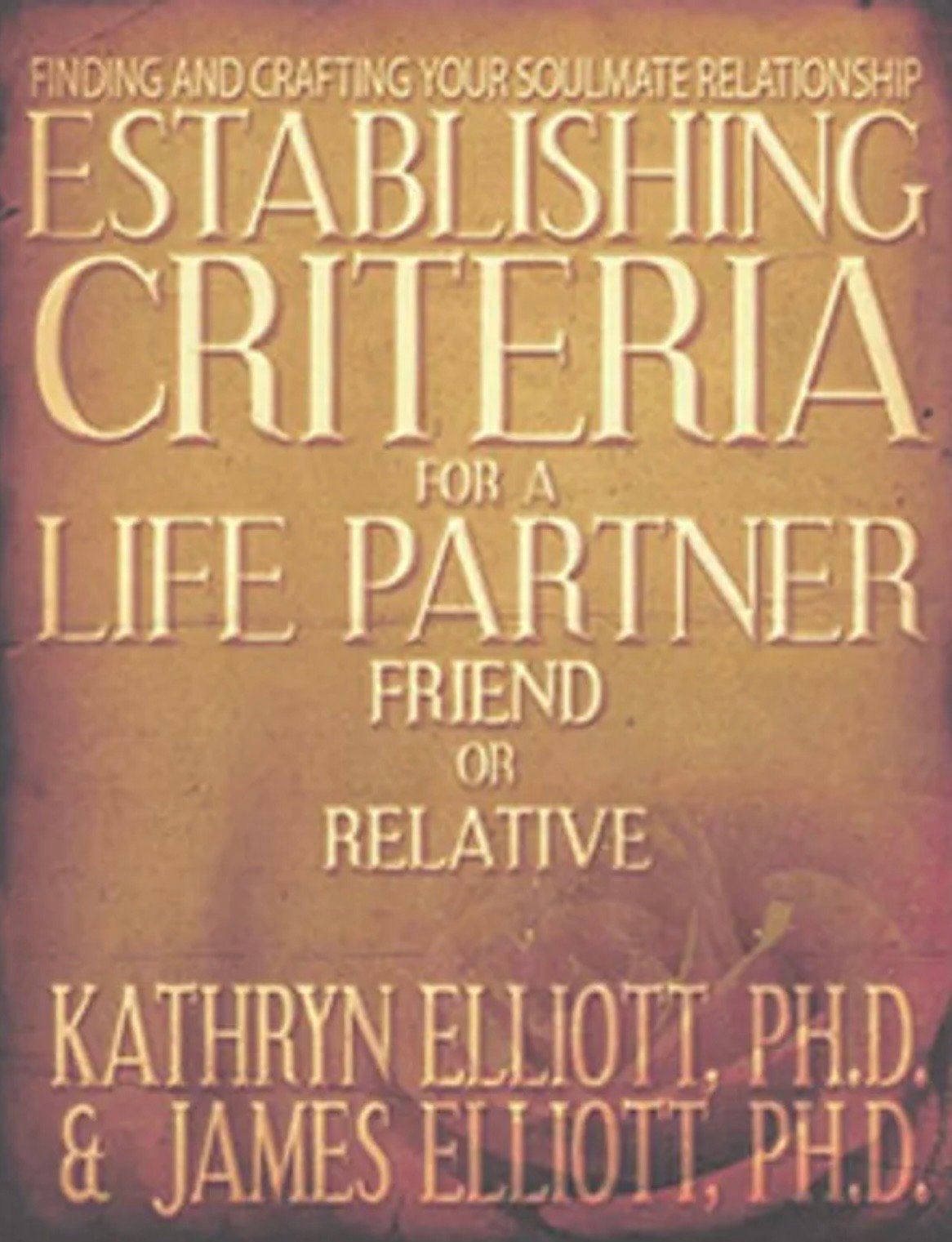
Written by the founders of Anthetic Therapy, these books bring the model to life — for individuals, couples, and mental health professionals seeking lasting change.
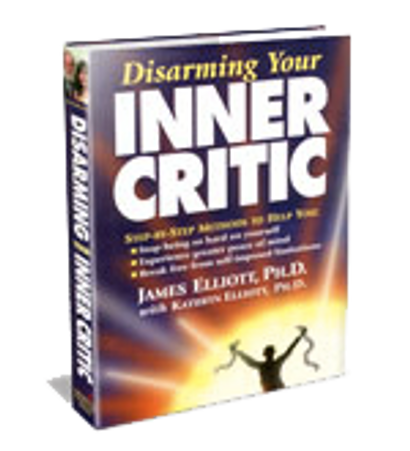
By James Elliott, Ph.D. with Kathryn Elliott, Ph.D.
$32.65 + $3.99 shipping
Disarming Your Inner Critic
— Stop being so hard on yourself
— Experience greater peace of mind
— Break free from self-imposed limitations
The Inner Critic is an internal voice that not only criticizes you but also imposes "shoulds" and "shouldn'ts." If you disobey these, your Inner Critic inflicts feelings of defectiveness, guilt, shame, inferiority, and magnified fear. Unlike most self-help books, this one offers more than a description of your problems — it presents dozens of methods for neutralizing your Inner Critic using Anthetic Releasing Statements. Step-by-step directions help you formulate and apply these statements so your life can unfold naturally, the way it was meant to.
Purchase →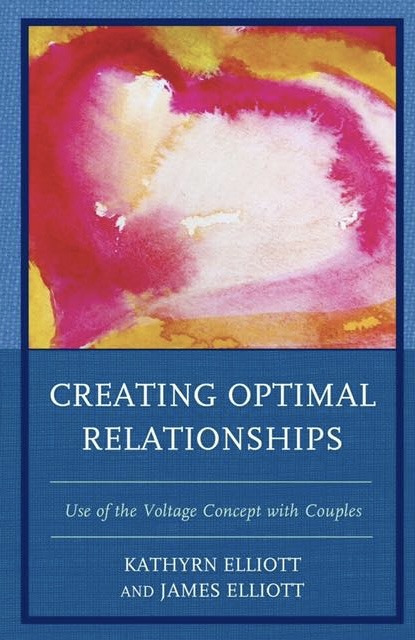
Kathryn Elliott, Ph.D. & James Elliott, Ph.D.
Available through publisher
Creating Optimal Relationships
A practical guide for couples seeking deeper connection, emotional intimacy, and lasting relationship change. Drawing on decades of clinical research, this book introduces the Voltage Concept — a framework that helps partners understand patterns of closeness, distance, conflict, and connection.
— Understand relationship voltage
— Recognize patterns that create distance
— Develop skills that foster warmth and empathy
— Strengthen lasting connection
More Publications
Training & Resources
For Professionals
Professional Training
Licensed mental health professionals can receive training in Anthetic Therapy through CEU workshops and interactive seminars.
Training is available for both individual therapy and couple therapy (Anthetic Relationship Therapy).
Stay Connected
Join Our Professional Mailing List
Receive updates about upcoming CEU trainings, workshops, Anthetic Therapy learning opportunities, and professional development events.
Ready to Begin?
You don't have to carry this alone.
Our therapists are here to walk alongside you — with warmth, skill, and genuine care. Healing is possible. We'd love to hear from you.